
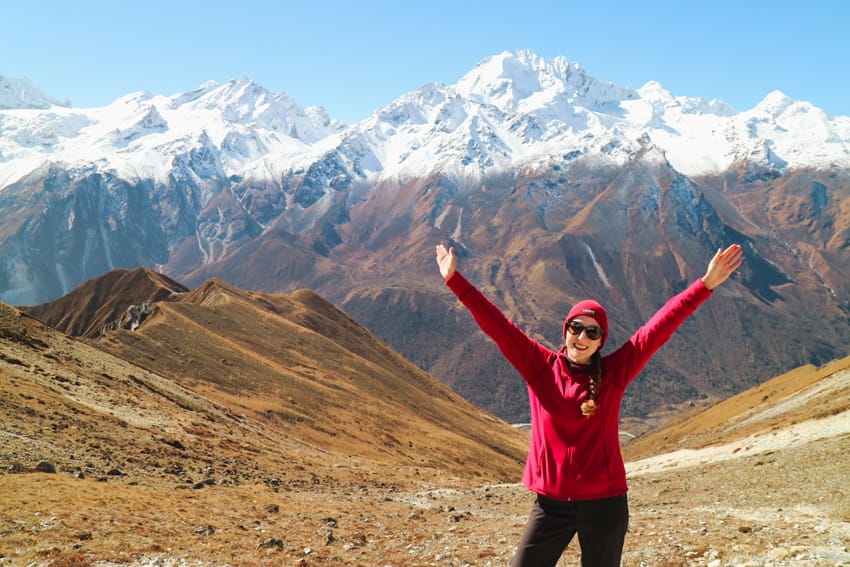

Despite the increasing popularity of both trekking in Nepal and trekking in the Himalayas, the Langtang Valley Trek remains a relatively cheap Himalayan adventure—plus you get endless opportunities to watch spectacular mountain scenery, explore traditional villages set against stunning mountain backdrops, and experience tranquil landscapes and culturally vibrant local communities.
Other times it makes this incredible experience available to folks on a budget and without watering down the experience; well, sometimes proper pre-planning can help make that happen. The Langtang Valley Trek trekking budget can be reduced by making wise decisions on transportation, accommodation, food, equipment, and trekking services. When it’s prepared properly, the trekkers can enjoy the natural attractions of the Langtang region and a cheap trip.
Costing Your Trek to Langtang Valley
But before you set a budget for a Langtang Valley Trek, it is essential that you know the main costs involved. Typically it comprises transport from KTM to the beginning point of trekking, your permits, lodging, dinners and refreshments, and so on. Trekking style, season, the length undertaken of each trek, and personal tastes will naturally have a variation in budget. The information about cost also provides the travelers an idea of how much to be expected and where they are splurging for no reason during the journey.
Best Season for Trekking on a Budget
The period of the year can directly influence how much you will finally be paying for Langtang Valley Trek. Spring and autumn are the times of the year with good weather but also with more occupancy in hotels and other services. On the other hand, for mountain-loving folk, traveling in between seasons when the crowds are less is more liberating and can still have its merits. Selecting an appropriate season provides suitable temperature, accessibility, and also prices. Because of high seasonal demand, however, budget trekkers can obtain comfortable conditions with more forethought without spending several dollars.
Save on transportation (to get to the Langtang region).
One of the most obvious areas budget trekkers can save costs is transportation. Initially, when people are doing the Langtang Valley Trek, they need to take a bus from Kathmandu to reach Syabrubesi, which is the entrance village of Langtang Valley. Local buses are generally not the most expensive option as compared to a private vehicle. Although public transport is by far the slower, more local option. Late-created transport is a trying system for acquiring overall jet planes to arrive from distant regions, which ought to have deliberate courses, and the element plan will not be permitted till there are set times with settling arrangements, as these misusing assets can destroy exertion freedom.
Picking Low-Income Accommodation on the Path
The majority of the accommodation on this route is in local teahouses and so is suitable for budget travel. These family-run lodges give basic accommodation and a comfortable space to recuperate after exhausting days trekking. By booking standard teahouse accommodation, you reduce your expenses and benefit local communities at the same time. Ideal for travelers wishing for genuine Himalayan hospitality at no exorbitant price. Moreover, it gives you ample opportunities for getting insight into the Langtang culture by staying in village-run lodges.
So, in this article we will be discussing managing food expenses while on a trek.
There are attractions during the Langtang Valley Trek. Food is some other component of the Langtang Valley Trek insightful stamp tasks. Along the way, trekking teahouses serve up breakfast, lunch, and dinner (though mostly a combination of traditional Nepali-style food mixed with some regular trekking food). Higher up in the mountains is even pricier—mainly because of more difficult supply. You can save dollars on frill-free treks through basic meals. Local foods are way more affordable, and you will be able to taste the authentic flavors of the mountain communities.
How To Keep You Saving On Costly Extras With Packing Smart Tips
Underpacking or overpacking could mean wasting money on unnecessary purchases; thus, proper size is crucial for the success of the Langtang Valley Trek budget. To avoid shelling out additional bucks on purchasing hiking gear while on the move, make sure you carry your vital trekking items from your house, such as proper gowns and shoes, as well as individual things. Travelling on the opposite hand, in addition, does no longer carry anything extra that has incorrect weightiness, you down. The ideal preparation fills a rucksack with the essentials while keeping travel easy and nearly free.
Guide or porter
Choosing trekking support services is a more important budget consideration. It intrigues some veteran trekkers who prefer to wander independently and seek adventure, while others hire guides or porters for safety—along with helpful convenience. The price adjusts by employing porters and local guides, but it is nevertheless more rewarding and fairer for the first-time trekkers of the Himalayas. And travelers have to consider their experience level, comfort, and safety needs before saying no to this. It has a fine balance that keeps it satisfying but affordable.
Saving Money By Trek Planning
If you are trekking in the Langtang Valley area, physical preparation will also reduce costs you didn’t expect. A regular pace is well maintained while trekking, and health and fitness prevent the necessity of additional services for fatigue or problems on the trail. You gain experience from pre-trip training, which helps provide confidence and aids in being able to trek more comfortably during the trip itself. Expensive, because doing it wrong makes things harder, and who does that to themselves?
Managing Personal Expenses Carefully
While having this personal allowance, smaller trekking expenses may be aggregated during the journey. Here as well, this budget may expand as we add a lot of other items like snacks, hot drinks, charging service, internet access, and souvenirs. Essential travel costs and budgeting must be planned for these basic needs, which should be prioritized by budget travelers. One tip is to keep a small amount of cash with you; here, payment methods may be limited, especially in remote mountain regions. Proper money management keeps you organized during the trek in Langtang Valley.
Choosing the Right Trek Duration
The total budget is also a function of how long the Langtang Valley Trek takes. However, longer itineraries mean more time on the destination, but they also mean an increase in accommodation and meal costs, key constraints. Although trekking is one of the ways to experience the stunning Himalayas, and also for much lower fees, you may go with a shorter trek. Choose an itinerary that matches the time, fitness level, and budget of travelers. An appropriately structured trekking program balances experience with value.
Benefits for Your Community & Your Wallet
That is not to say that you should skip out on cultural experiences—quite the opposite. However, the usage of local teahouses and local food/other native services not only brings benefits for economies but also provides a great financial motivation to adventurous travelers while conserving and starting to restore the Langtang people directly. These predetermined selections are built far into the steez and comparatively therefore facilitate feasible tourism. The trek draws in budget travelers, as visitors may only compete for a very rudimentary experience.
Final Thoughts: In-house Trip to Langtang Valley
With some good planning and thought into your choices, trekking in the Langtang Valley does not necessarily mean breaking the bank. Coordinating travel logistics, food, accommodation & equipment expenditures with your own personal expenses to ensure that not a single penny is overspent on your expeditions in the Himalayas. Langtang is more than just mountains; we also enjoy the culture and sleepy villages. Allows you to create lifetime experiences without costing too much, and with some preparation, you can do it in one of the most gratifying trekking areas in Nepal.